编者按:这篇文章原本是一篇用于投稿的英文报道,后来没有刊用。这里保留英文原文发布;有需要的读者可以使用翻译器翻译成中文阅读。
I Used Zines to Help Students Rethink Psychiatry
In a summer liberal arts program organized by a non-profit organization, I used zines to help students reflect on psychiatry. The students ranged from 16 to 50 years old, including high school students, individuals with mental disorders, health professionals, and ordinary people interested in psychiatry. Everyone had different understandings of mental health, and their educational backgrounds varied.
Each class had a specific theme, centered around slides I prepared. The content drew partly from my graduate studies and partly from my own practical experience. Despite many complex examples, I tried to translate them into simple language understandable to the general public.
Here's the outline of my course. Each zine page corresponds to a class session:
- Normal vs. Abnormal: What is Mental Health?
- Crazy Like Us: Mental Health Beliefs and Practices in Different Cultures and Societies in a Globalized Context
- Starting from Neurasthenia: Chinese Mental Health Studies from an Anthropological Perspective
- Indigenous Mental Health Folk Practices in China
- People in Trouble: Depression and Modernity
- From Participatory Observation to Observational Participation: Producing Knowledge about Mental Health
- Gazing into the Abyss or Being Gazed at by the Abyss: Ethics and Boundaries in Action Research
- Where Do We Stand, Where Are We Heading: The Mental Health Landscape of Our Era
To assess students' understanding of each class and optimize my teaching, I had everyone create a small 8-page zine on A4 paper during the first session. At the end of each class, I asked them to illustrate their takeaways from the session on their zines. The content was unrestricted, ranging from simple reproductions of class content to personal reflections.
I didn't require them to read extensive literature or provide reading notes since it would be challenging for most people. I hoped they would maintain interest in the course and spend a few minutes reflecting on what they learned in each session. The students loved this creative format, where they could choose whether to include text based on their preferences. During the final class, we exchanged zines, providing feedback and asking questions.
I'd like to show you their zines below, with corresponding course content under each image.
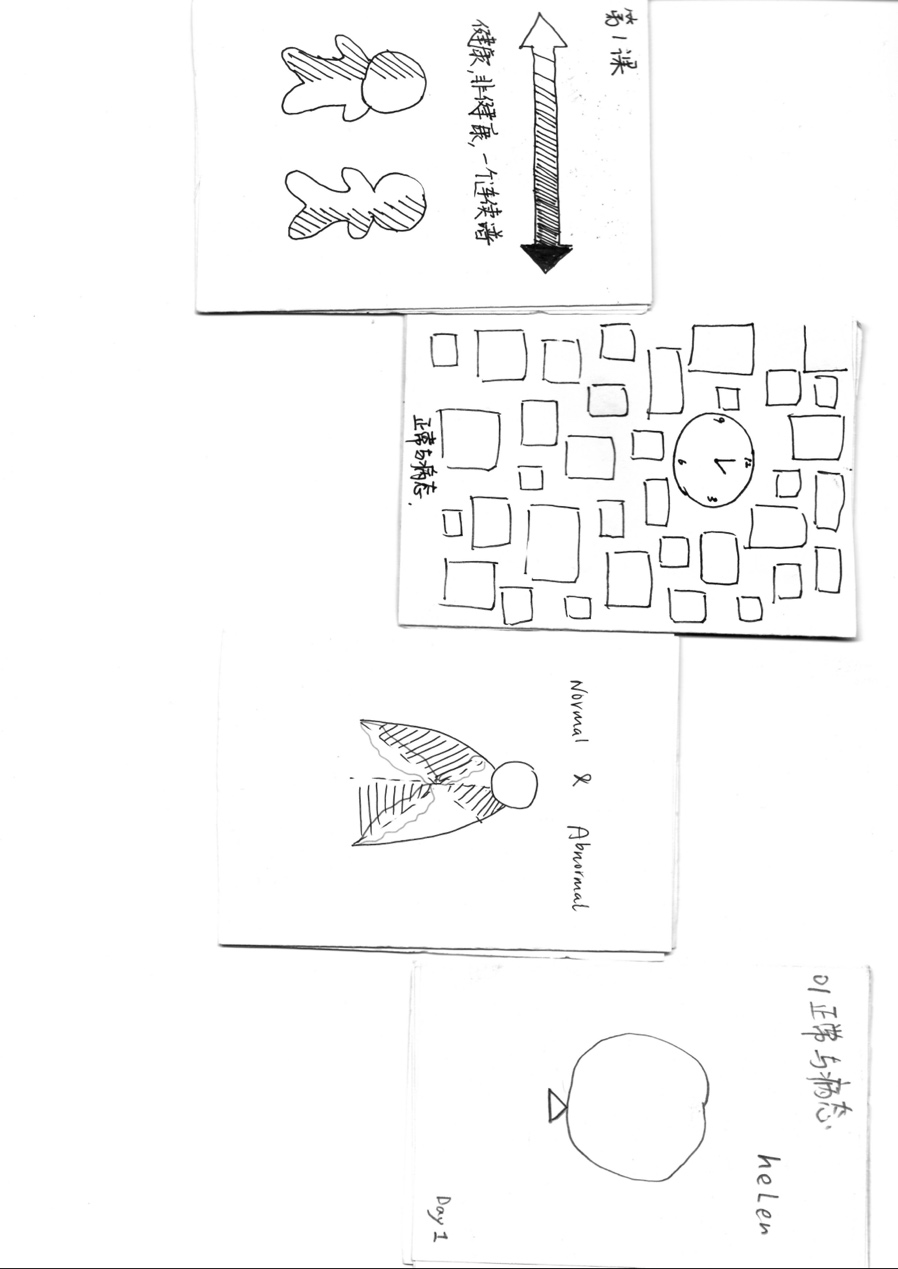
This is students' reflection on the relationship between normal and abnormal, and between health and pathology.
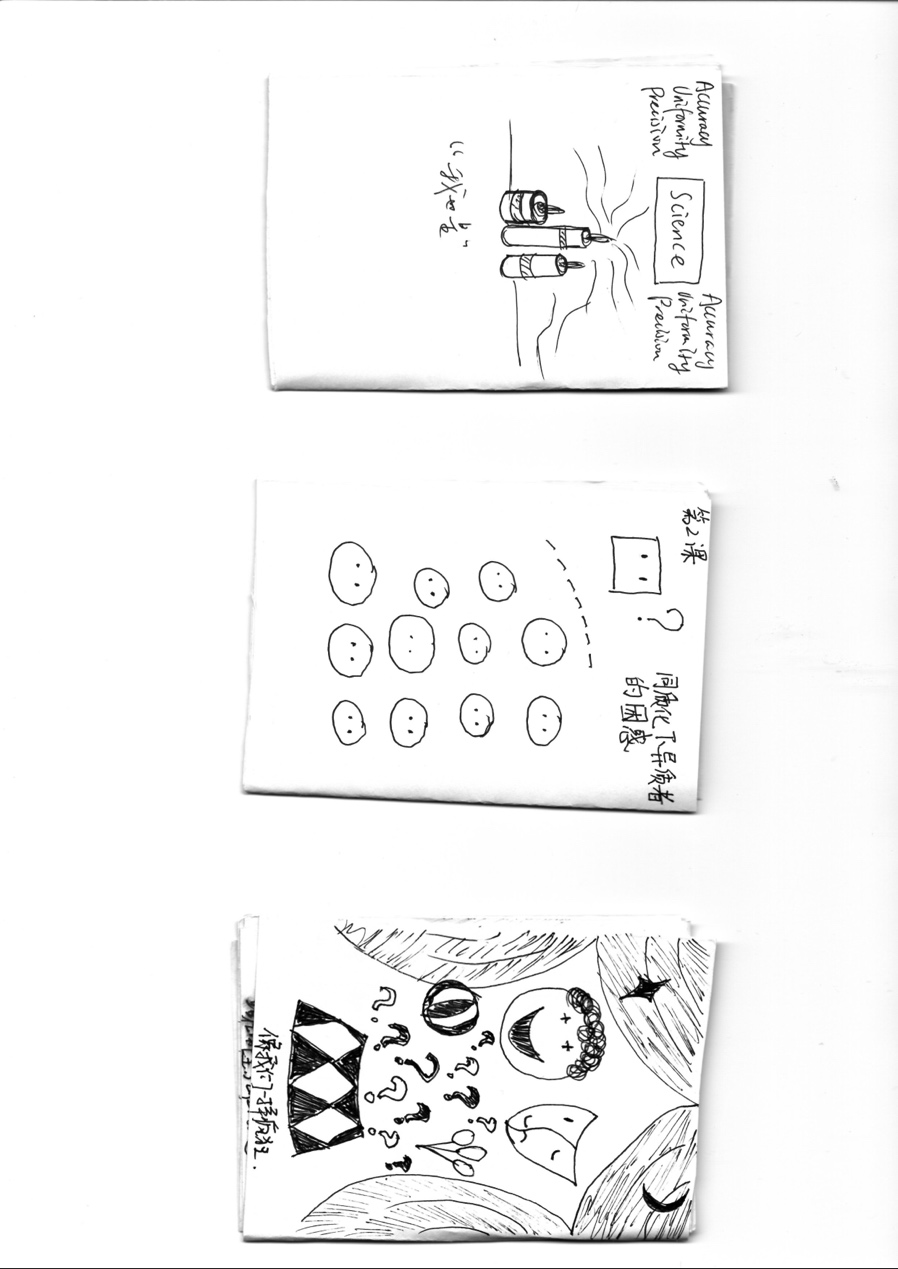
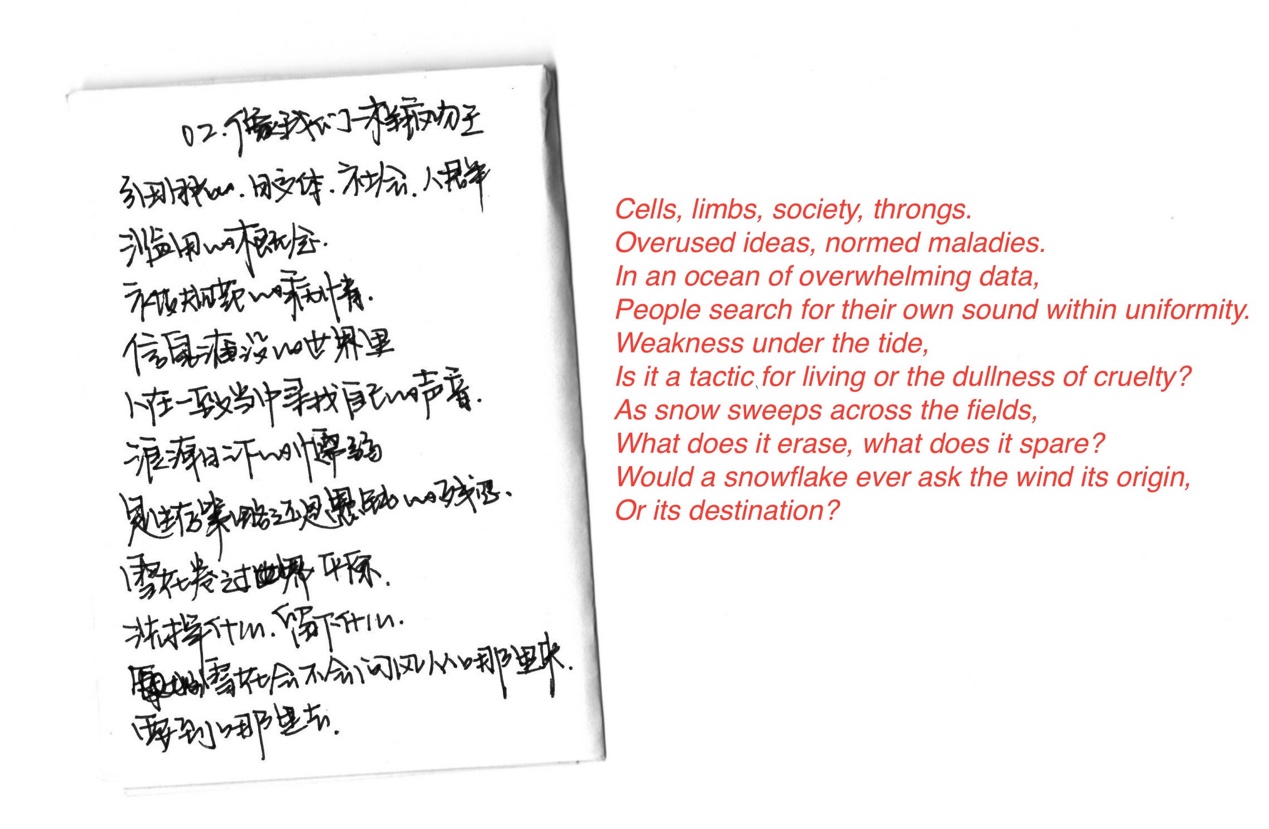
This is students' reflection on the globalization of psychiatry. They collectively read the book Crazy Like Us. This is a poem written by a student with mental health issues, filled with insightful observations.
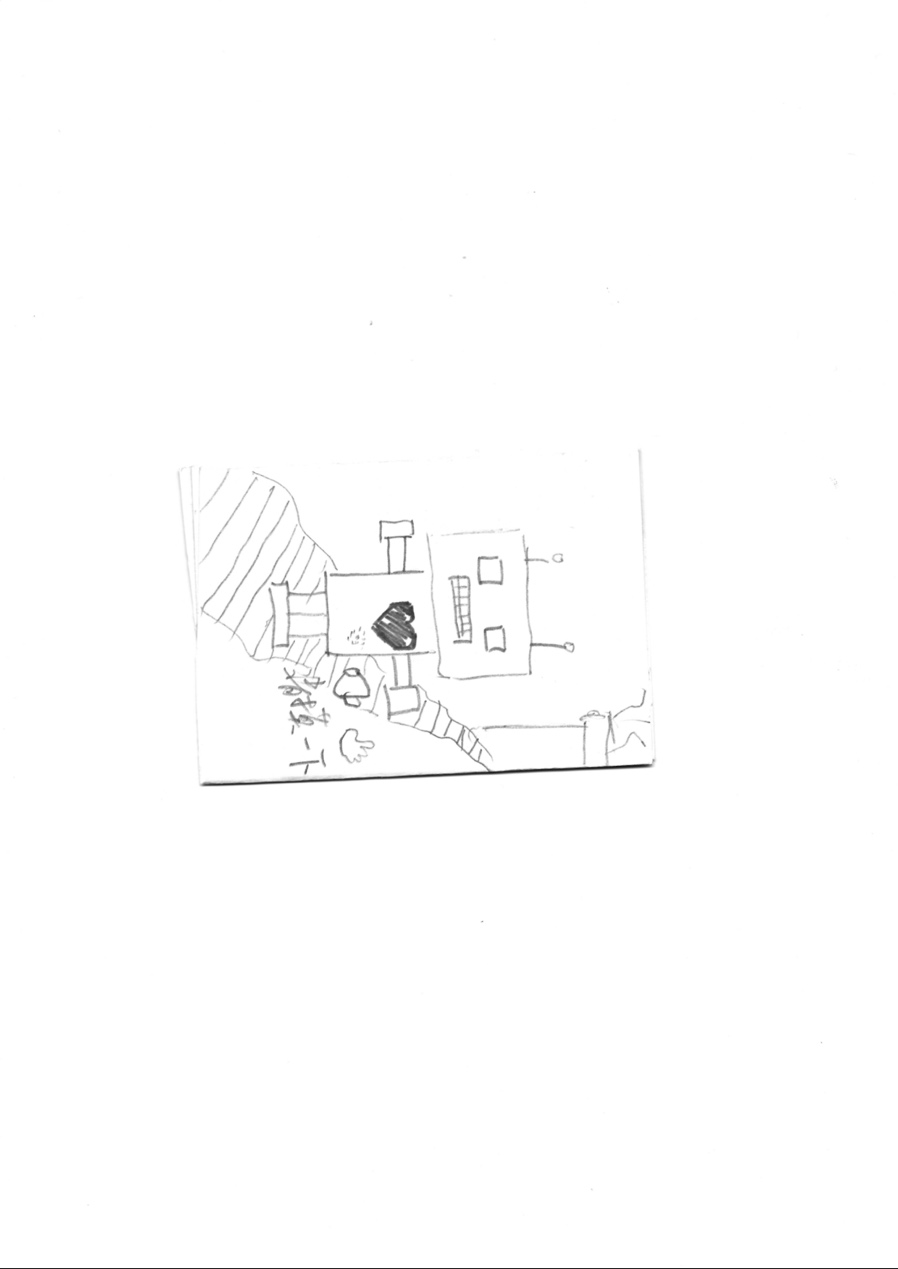
This is students' reflection on professional burnout among helpers.
I'd like to share this teaching method with you as it's highly effective in medical humanities education.