In an activity organized by a non-profit organization, I used zines to help participants reflect on psychiatry and mental health.
Each session focused on a broad theme. I tried to explain complex ideas in simple language understandable to the general public.
Broadly, the discussions explored how ideas about mental health are shaped by social and cultural contexts, how people make sense of their experiences, and questions about knowledge, care, and power.
To assess students' understanding of each class and optimize my teaching, I had everyone create a small 8-page zine on A4 paper during the first session. At the end of each class, I asked them to illustrate their takeaways from the session on their zines. The content was unrestricted, ranging from simple reproductions of class content to personal reflections.
I didn't require them to read extensive literature or provide reading notes since it would be challenging for most people. I hoped they would maintain interest in the course and spend a few minutes reflecting on what they learned in each session. The students loved this creative format, where they could choose whether to include text based on their preferences. During the final class, we exchanged zines, providing feedback and asking questions.
I'd like to show you their zines below, with corresponding course content under each image.
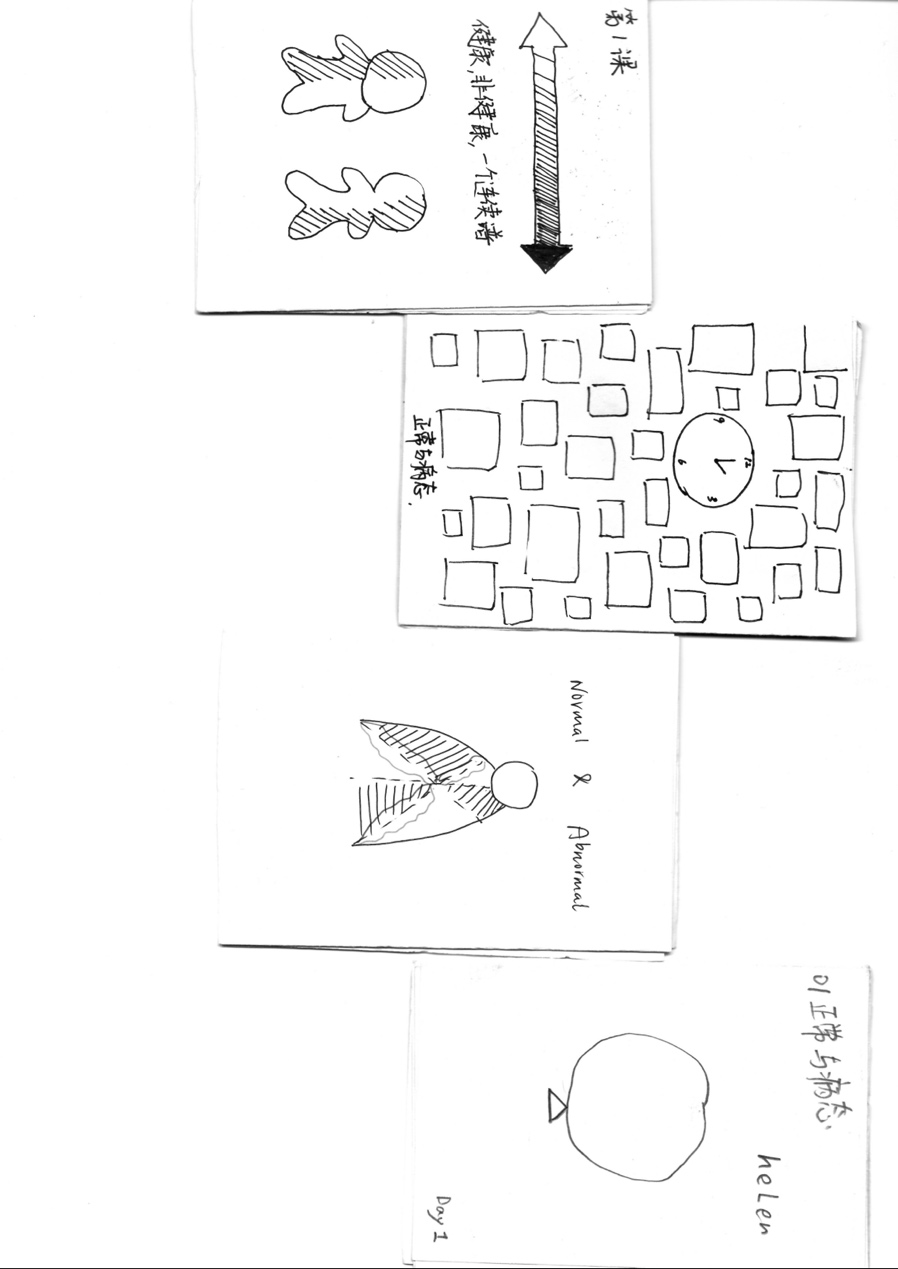
This is students' reflection on the relationship between normal and abnormal, and between health and pathology.
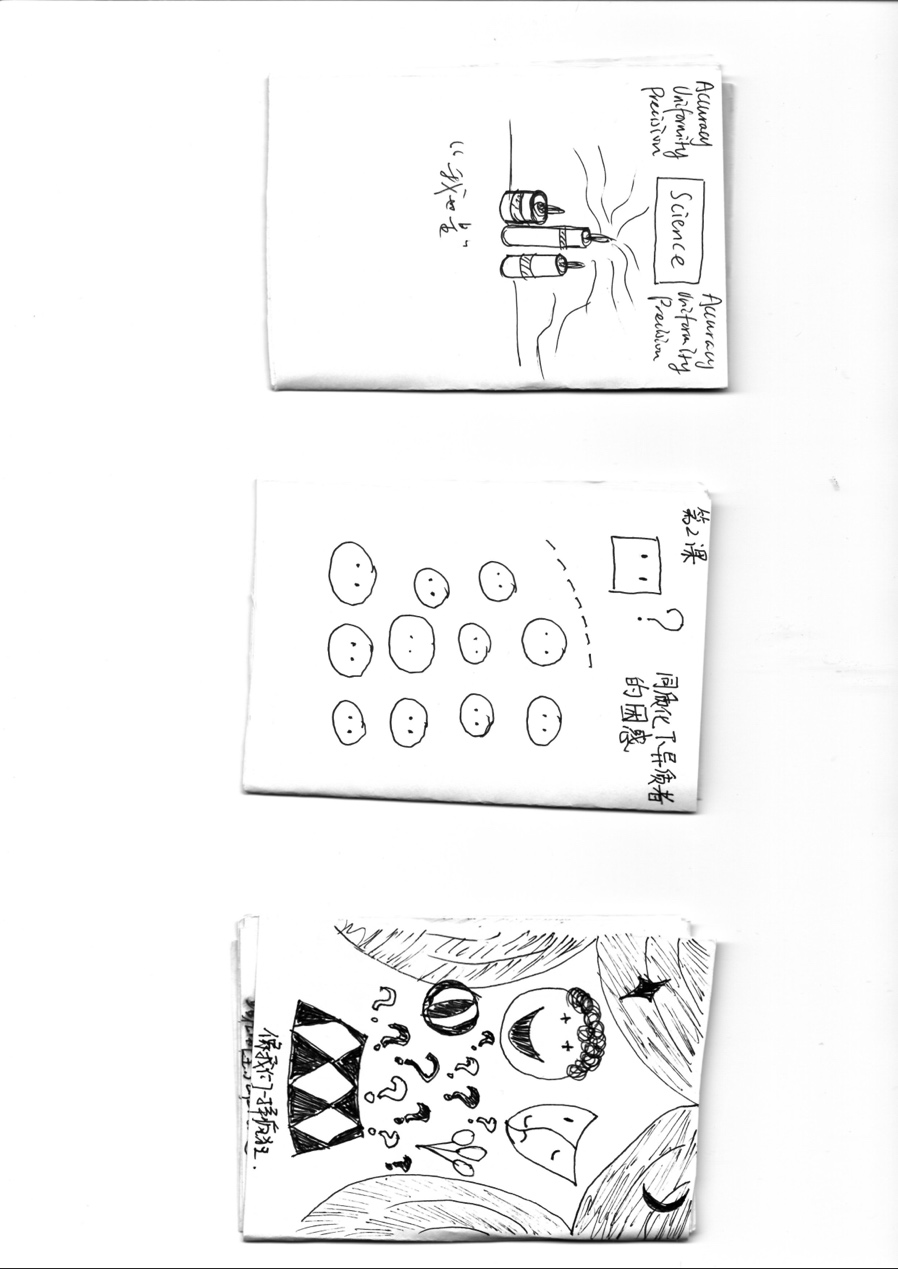
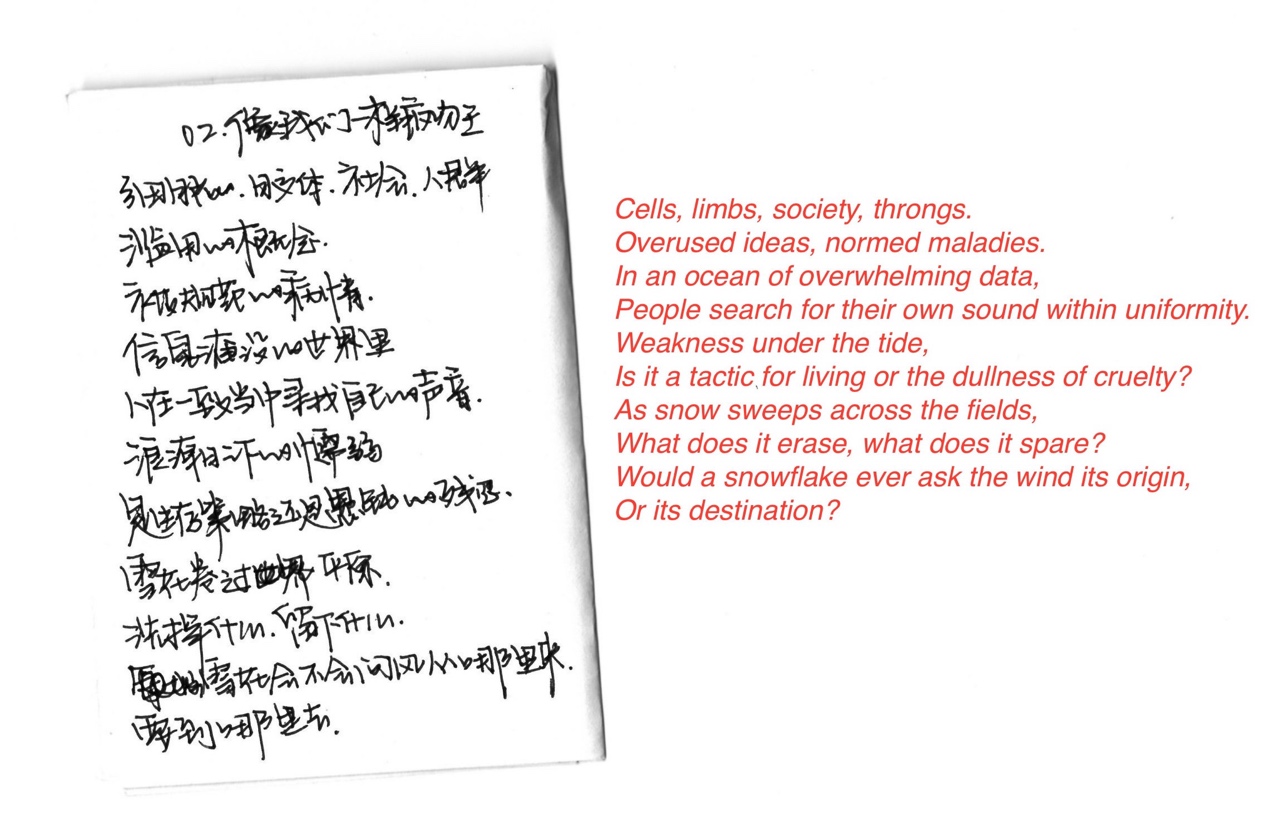
These works reflect on how ideas about mental health travel across cultures and societies.
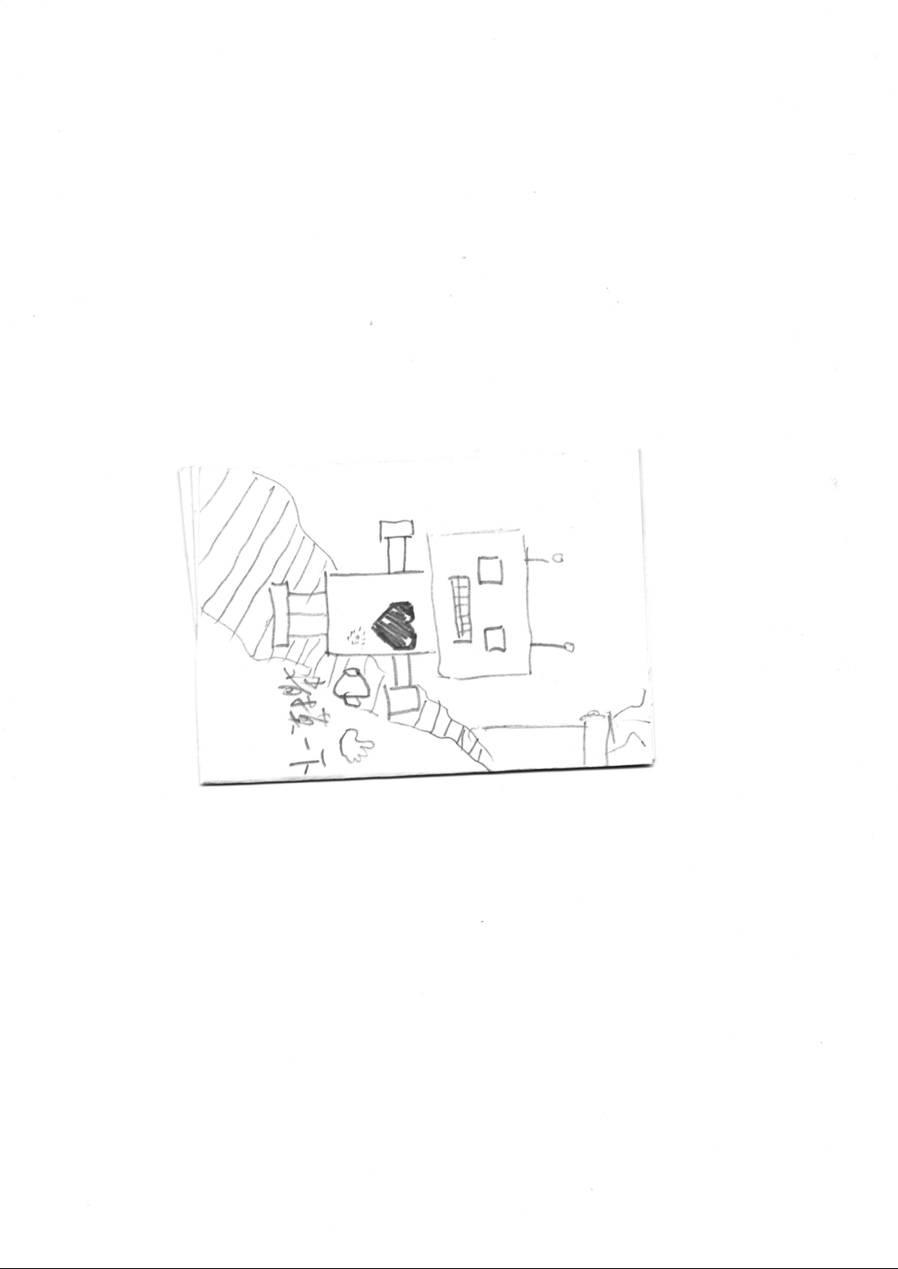
This is students' reflection on professional burnout among helpers.
I'd like to share this teaching method with you as it's highly effective in medical humanities education.